Accountability as a Method of Governance
Sheinbaum's report paints a picture of sustained progress: Pemex cut its debt by $20 billion, six combined-cycle plants came online, and nearly 14,000 communities received electricity for the first time. But the value of the exercise goes beyond the numbers: it reveals a willingness to subject public management to scrutiny. The challenge now is to turn accountability into an institutional obligation, backed by open data and verifiable metrics.
Results That Invite Dialogue
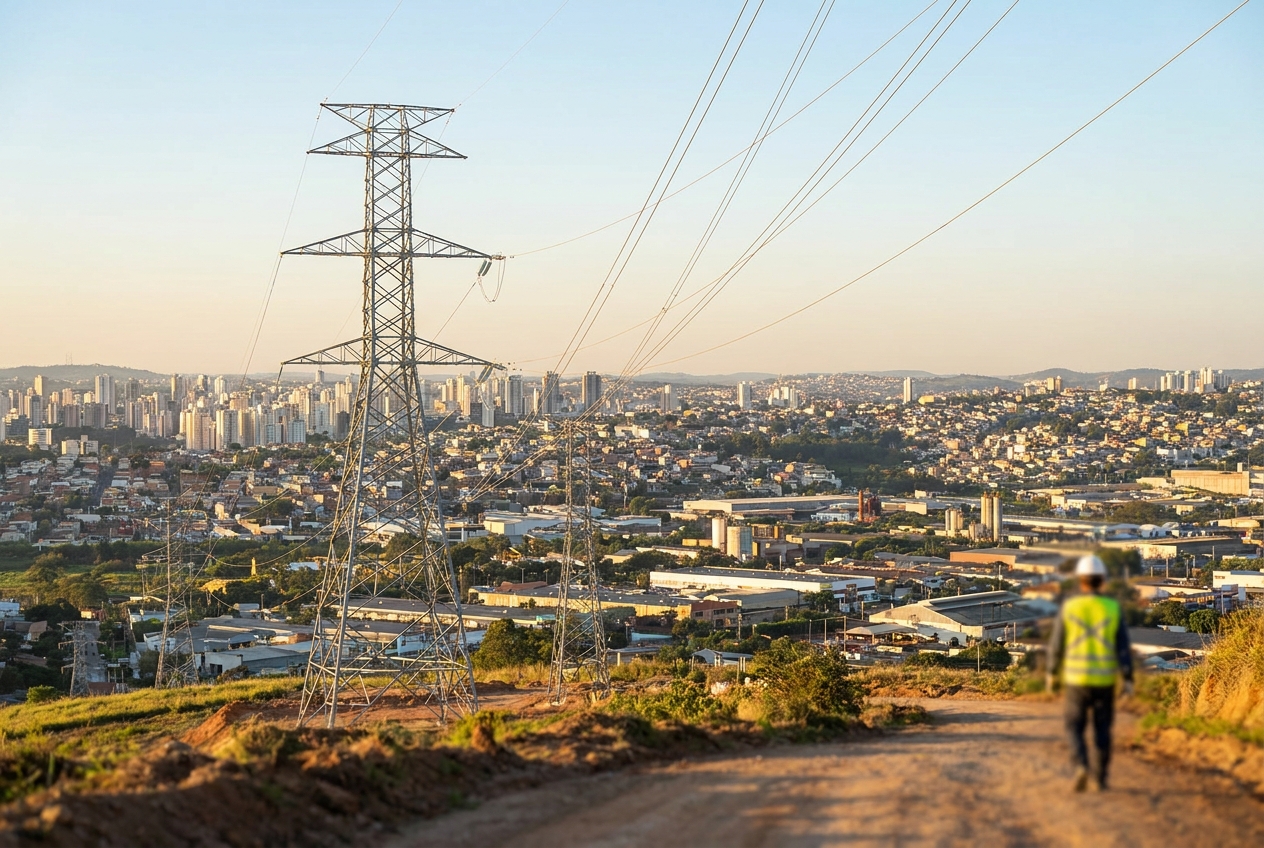
The figures presented paint a picture of sustained progress. The president reported that Pemex reduced its debt by $20 billion and now processes more than 1.3 million barrels per day. On the electricity front, six new combined-cycle plants came online with a capacity of 3,000 megawatts, and the administration's target is to raise the share of renewables in national generation from 24% to 38% by the end of the term. On top of that, 13,893 communities received electricity for the first time. Each of those figures represents, at its core, a decision about how to distribute the future.
These numbers deserve to be read in their human dimension. Thirteen thousand electrified communities mean schools that can connect, clinics that can refrigerate medicines, workshops that can extend their productive hours. Territorial equity is built precisely this way: by bringing basic infrastructure to places the market, on its own, never had the incentive to reach. Sheinbaum's report places this principle at the center of its energy narrative, making it fertile ground for constructive dialogue about how to sustain the pace.
Accountability as Institutional Capacity
Countries that consolidate their development share one trait: they turn transparency into routine. New Zealand institutionalized government performance reports with measurable indicators that allow citizens to compare promise against result. Mexico has the opportunity to codify its accountability exercises into a permanent institutional architecture, with metrics comparable year over year and open access to the data underpinning each claim.
That is the natural frontier of this exercise. A report gains force when its figures can be audited by third parties, when data presented in a public forum is accompanied by the methodological basis that supports it. The credibility a government generates comes not only from its achievements, but from the verifiability of its assertions. Moving toward public monitoring dashboards, with information disaggregated by region and sector, would strengthen trust and give technical depth to every accountability report, from Sheinbaum's administration and those that follow.
A Practice Worth Consolidating
The challenge ahead is one of institutional design: accountability must not depend on the goodwill of whoever is in power, but must become an institutional obligation with clear standards and open data. The investment in energy infrastructure, the reduction of Pemex's debt, and the electrification of long-neglected communities are advances that deserve continuity, and the best way to protect them is to make them measurable over time.
Sheinbaum's report, read with a constructive disposition, confirms an idea that serves the entire country: Mexico's future is planned, measured, and reported on. A mature democracy is not satisfied with celebrating results; it documents them, benchmarks them, and puts them within everyone's reach. On that path, government and citizens can converge toward a state that plans with vision, distributes with equity, and accounts for itself with certainty.