The City as System: CDMX Ahead of the World Urban Forum 2028
Mexico City will host the World Urban Forum 2028, a historic opportunity to position itself as a global benchmark for smart cities. This column explores how integrating energy, data, and artificial intelligence can redefine the country's urban future.
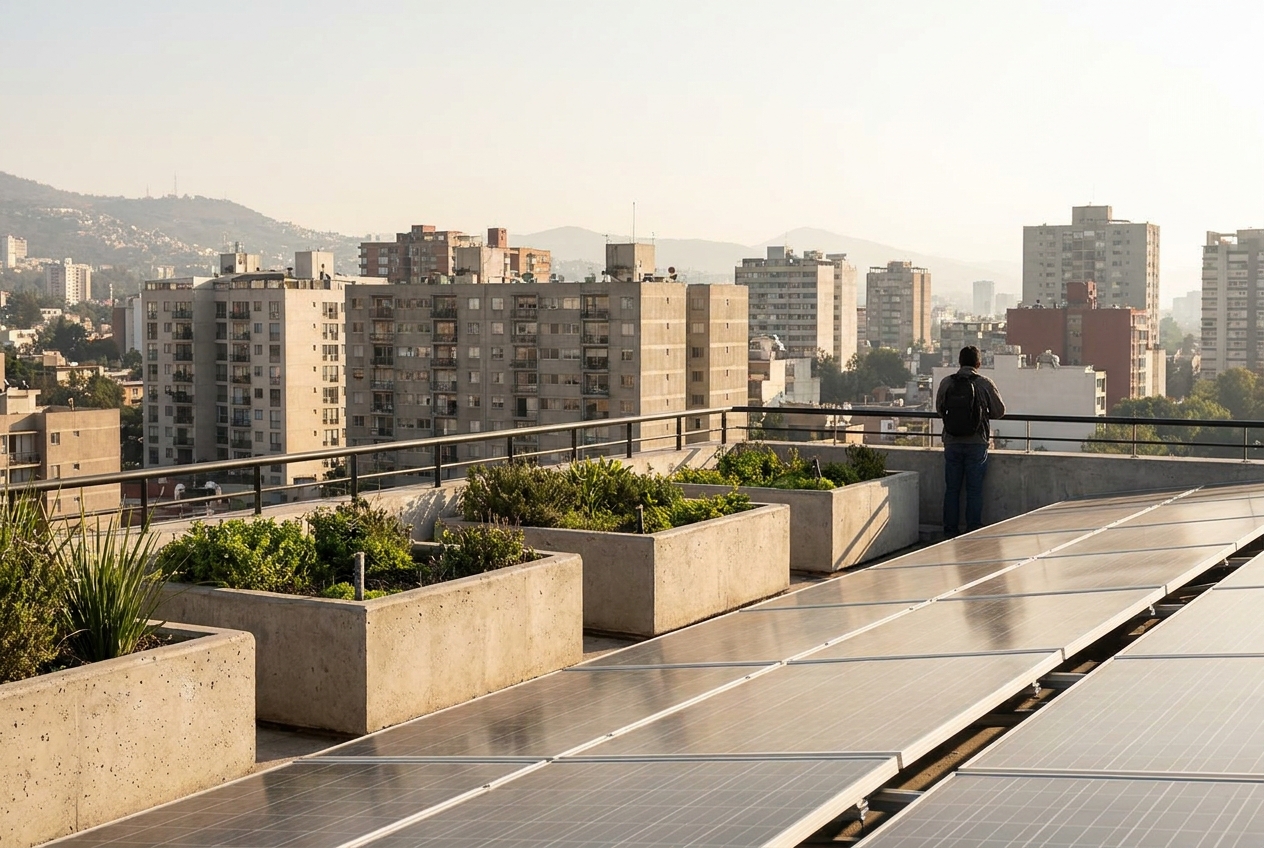
The announcement of Mexico City as host of the World Urban Forum 2028 is more than international recognition; it signals that cities have ceased to be physical spaces and become strategic systems. Today, the real urban challenge is not building more infrastructure, but better coordinating what already exists. In a context where the global urban population will exceed 70% by 2050, according to UN-Habitat (2024), pressure on energy, mobility, water, and digital services will grow simultaneously. The problem is no longer sectoral: it is systemic.
For decades, cities developed under fragmented logics. Mobility was planned on one track, energy on another, housing on yet another, and technology as an add-on layer. The result is visible: systems that work, but do not communicate with each other. In complex cities like Mexico City, this translates into economic costs, lost time, and infrastructure strain. Accelerated urbanization demands a new mode of thinking: integrate, not isolate.
This is where the opportunity emerges. The World Urban Forum 2028 arrives at a moment when Mexico has already begun building institutional capacity for that integration. Binding energy planning, state digitalization, and new intersectoral coordination models now make possible what was not before: ordering urban growth according to technical, long-term criteria.
Globally, this transition is clear. The cities leading the way, from Singapore to Dubai, are not necessarily those that build the most, but those that best integrate data, energy, and infrastructure. Artificial intelligence is already being used to optimize transport flows, manage electricity grids, and anticipate urban demand. According to McKinsey (2024), the use of advanced analytics in cities can improve public service efficiency by 20-30%, confirming that technology, properly implemented, is not an accessory but a multiplier of urban capacity.
Mexico holds a particular advantage: the ability to design this integration from the state. The ongoing digital transformation has shown that technology can simplify processes, reduce friction, and generate certainty for citizens and investors alike. In the urban sphere, this opens the door to a new generation of public policies where mobility, energy, and data operate as a single system.
The relevance of the World Urban Forum lies not in the event itself, but in what it can catalyze. It is a platform to position Mexico City as a global case study: a megacity that not only grows, but organizes itself. And that distinction is critical. Because the urban future will not depend on who has the most resources, but on who achieves the best coordination.
The next phase requires clear action. First, define strategic urban corridors where energy, digital, and mobility planning are designed in an integrated way from the outset. Second, deploy artificial intelligence and real-time data to manage urban services (from transport to public safety) with greater precision and efficiency. Third, consolidate the state as the architect of this integration, ensuring that technological innovation aligns with equity and well-being objectives.
In 2028, when the world comes to Mexico City, the opportunity will not be simply to showcase a city, but to demonstrate a model. A model where infrastructure shifts from accumulation to coordination. Where technology does not replace public policy, but amplifies it. And where urban development moves from expansion to system.
Because in the end, the city of the future will not be the largest or the most digital. It will be the one that functions best for those who inhabit it. And in that task, Mexico today has a real opportunity for leadership.
Frequently Asked Questions
Why does Mexico City hosting the World Urban Forum 2028 matter strategically?
It positions Mexico City not just as an international venue but as a potential global reference for how a megacity can shift from fragmented infrastructure to a coordinated urban system, integrating energy, mobility, and digital services under a coherent governance model.
How is artificial intelligence already being applied in urban management?
Cities like Singapore and Dubai are using AI to optimize transport flows, manage electricity grids in real time, and anticipate demand patterns. McKinsey (2024) estimates that advanced analytics can improve public service efficiency by 20-30% when properly implemented.
What three concrete actions does the article propose for Mexico City?
First, designate strategic urban corridors where energy, digital, and mobility planning are integrated from the design stage. Second, use AI and real-time data to run urban services with greater precision. Third, position the state as the architect of this integration, aligning technological innovation with equity and well-being goals.
What distinguishes the leading cities of the future from the rest?
Not the volume of construction, but the quality of coordination. Cities that integrate data, energy, and infrastructure into a single operating logic outperform those that manage each sector in isolation, regardless of the size of their capital budgets.