From the Strait of Hormuz to Your Door: How the War in Iran Hits Mexico's Commerce
Amazon is imposing war surcharges tied to the Iran conflict. This column analyzes how the closure of the Strait of Hormuz is disrupting digital commerce and why Mexico urgently needs logistical sovereignty.
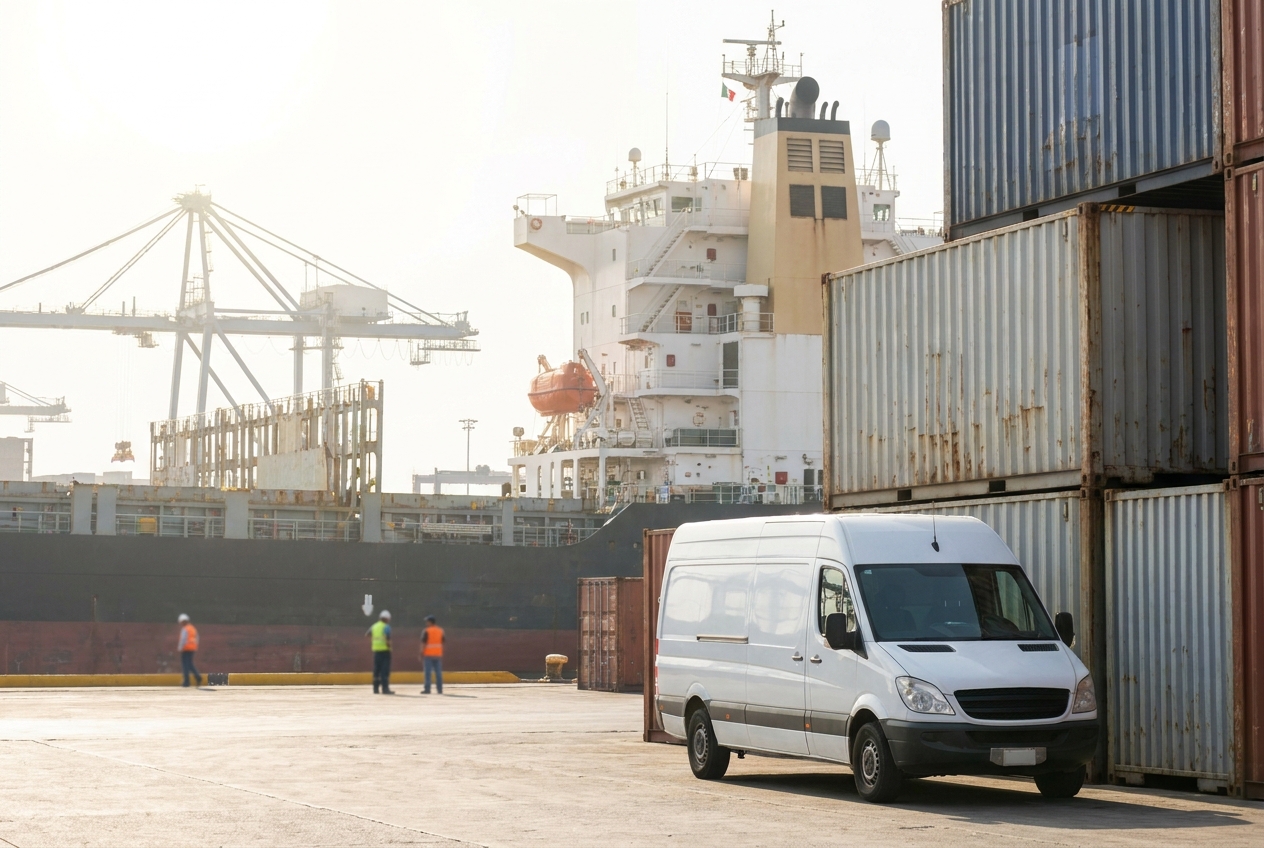
Amazon just imposed a 3.5% fuel surcharge on the millions of sellers using its logistics network in the United States and Canada. The measure takes effect on April 17. UPS and FedEx have already done the same. The U.S. Postal Service announced an 8% surcharge. The reason is identical across the board: the closure of the Strait of Hormuz has driven transportation costs to levels no platform can continue to absorb alone.
The relevant issue is not the percentage. It is the transmission chain the surcharges reveal. A military conflict more than 12,000 kilometers away becomes, within weeks, an additional cost for the artisan seller in Oaxaca shipping via FBA, for the Monterrey SME exporting auto parts through e-commerce, for the consumer paying a little more for each package without quite knowing why. The war does not need to reach our territory to reach our wallets.
Disruptions of this kind are not new. Amazon applied a similar surcharge in 2022, when Russia's invasion of Ukraine pushed the barrel above $100. What is new is the frequency. Two global energy crises in four years, both with direct impact on digital commerce logistics. The pattern is clear: the twenty-first-century economy runs on physical infrastructure (trucks, ships, fuel) that remains just as vulnerable to geopolitics as it was in 1973.
For Mexico, the lesson extends well beyond the current moment. The country holds a privileged geographic position that makes it a natural bridge between Asia, North America, and Latin America. The Interoceanic Corridor of the Isthmus of Tehuantepec, the Pacific and Gulf port network, the expanding rail infrastructure, and proximity to the world's largest consumer market together form a logistics ecosystem with enormous strategic potential. But potential is not the same as operational capacity.
What is needed is to articulate those pieces within a vision of logistical sovereignty: no dependence on a single platform, a single route, or a single distribution model. That means investing in national distribution centers meeting international standards, strengthening intermodal connectivity, and offering Mexican entrepreneurs alternatives that do not leave them at the mercy of every surcharge imposed by a foreign company when oil prices spike.
The future of commerce is defined not only by algorithms and digital platforms, but by who controls the infrastructure that moves goods from point A to point B. Mexico can be a hub or it can remain a periphery. The difference lies in converting geography into public policy, and public policy into certainty for those who produce, sell, and buy every day.
Frequently Asked Questions
Why is Amazon imposing a fuel surcharge in 2025?
The closure of the Strait of Hormuz has sharply elevated global shipping costs. Amazon, UPS, FedEx, and the U.S. Postal Service are passing a portion of those costs to sellers through surcharges ranging from 3.5% to 8%, effective April 17.
How does a conflict near Iran affect Mexican e-commerce sellers?
Mexican digital sellers rely on logistics platforms tied to global fuel markets. When the Strait of Hormuz is threatened, fuel prices spike and raise shipping costs worldwide. Those costs translate into surcharges that Mexican exporters and consumers ultimately absorb.
What is logistical sovereignty and why does Mexico need it?
Logistical sovereignty means not depending on a single platform, route, or distribution model for commerce. Mexico's geography and existing infrastructure give it the raw materials to build resilience, but converting that geography into coherent public policy, through investment in distribution centers, intermodal connectivity, and national logistics alternatives, remains undone.