Mexico's Energy Transition: The Case for State-Led Renewable Leadership
Mexico sits on world-class solar, wind, and geothermal resources yet remains heavily dependent on fossil fuels. The international record is clear: countries that paired long-term vision with decisive state action transformed their energy systems. Mexico can do the same.
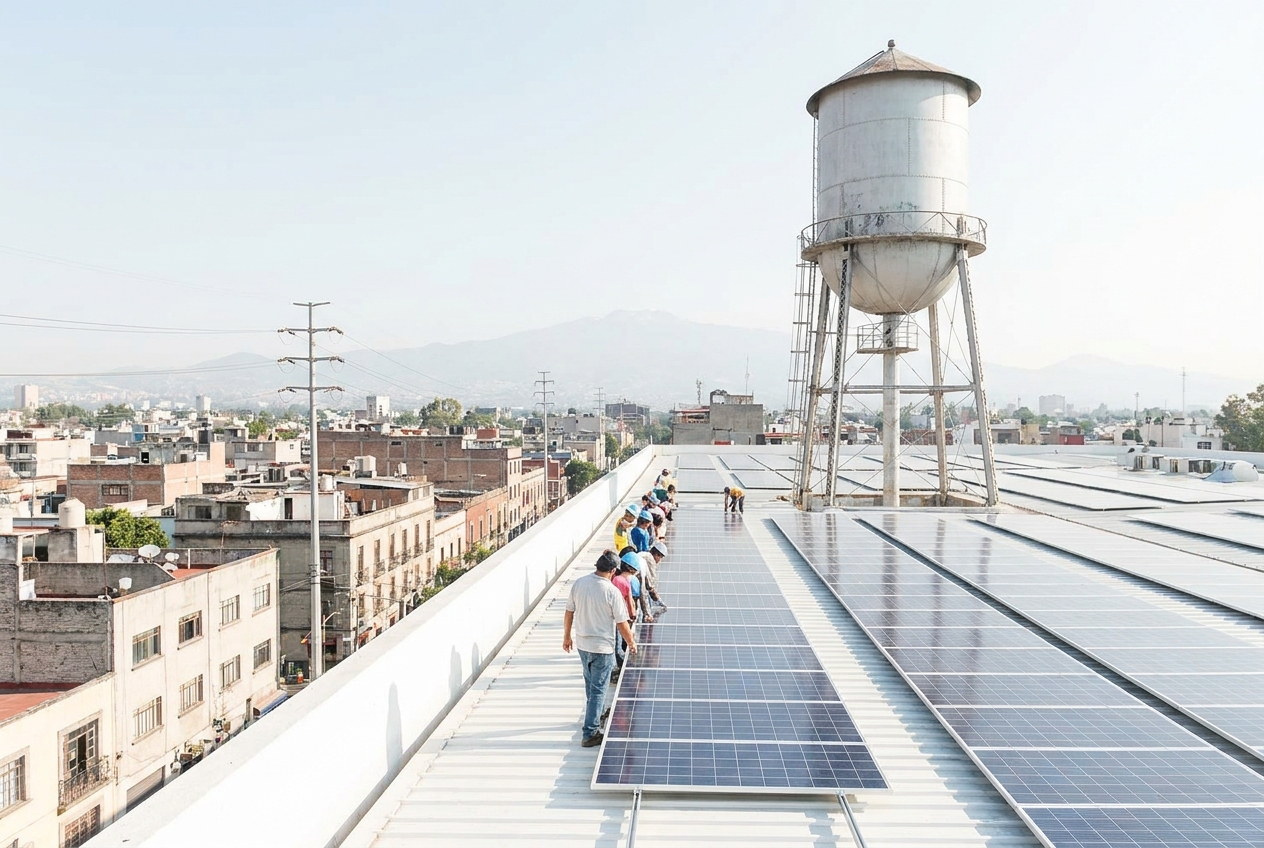
Over the past decade, countries including Iceland, Costa Rica, Norway, Denmark, Germany, Scotland, Uruguay, and Sweden have made measurable strides in reducing fossil fuel dependence. The common thread is neither geography nor luck; it is deliberate policy paired with sustained state commitment. Mexico stands at a comparable inflection point, with resource endowments that rival any of those precedents.
A Resource Base That Few Countries Can Match
Mexico's geographical and climatic diversity is a strategic asset. The Sonoran Desert receives some of the most intense solar radiation on the planet, making it ideal for utility-scale generation. The Isthmus of Tehuantepec in Oaxaca ranks among Latin America's highest-potential wind corridors. Mexico is already the sixth-largest geothermal energy producer globally, a position earned by its location along the Pacific Ring of Fire. Rivers and existing dam infrastructure offer additional headroom for expanded hydroelectric capacity.
Despite this endowment, fossil fuels still dominate the generation mix. The Energy Transition Law changes the legal baseline: by 2024, 35% of electricity generation must come from clean energy sources. That target signals governmental intent. Translating intent into outcomes requires more than a statutory mandate.
What the International Record Shows
Germany's Renewable Energy Sources Act (EEG), enacted in 2000, established clear long-term goals and a stable regulatory framework that gave investors the certainty to commit capital over multi-decade horizons. The lesson for Mexico is structural: a foundational legislative vision that outlasts electoral cycles is worth more than any single administration's enthusiasm.
Financial incentives have been equally decisive. Uruguay and Denmark accelerated clean-technology adoption through targeted measures, including tax reductions for solar installations and electric vehicles. The design and administration of those mechanisms is inherently a state function.
Infrastructure investment follows the same logic. Modernising the electrical grid and deploying storage technologies are prerequisites for managing the intermittency of solar and wind. Mexico invested for decades in an electrical grid that private enterprises should pay to access fairly. The state is the only actor with the mandate and scale to coordinate that modernisation across competing regional and commercial interests.
The State as the Central Variable
Each international success story shares a common factor: active, sustained state leadership. Governments set the legislative framework, mobilised capital, coordinated large-scale infrastructure, and ran the public education campaigns that built social licence for change.
Mexico's opportunity is to replicate that model at greater scale. Expanding solar and wind capacity to meet domestic demand and generate exportable surpluses, as Iceland and Costa Rica have done, requires long-horizon planning that only state institutions can anchor. Participation in global and regional alliances accelerates technology transfer and positions Mexico at the frontier of innovation rather than as a late adopter.
The Economic and Strategic Case
The transition generates returns well beyond the energy sector. Renewable projects create jobs in regions historically dependent on fossil fuel extraction or subsistence agriculture. Reducing fuel imports cuts exposure to international commodity price volatility, strengthening energy security. Progress on the transition also advances Mexico's commitments under the Paris Agreement, reducing emissions that carry real public health and environmental costs.
The displacement of fossil fuels is a structural global trend, not a policy option. The question for Mexico is whether it captures the first-mover advantages that Germany, Uruguay, and Costa Rica secured, or absorbs transition costs later and on less favourable terms.
With the resource base, the legislative mandate, and an extensive body of international precedent to draw from, Mexico has a credible path to renewable leadership in Latin America. The variable that will determine the outcome is not resources or technology. It is the consistency and quality of state commitment over time.
Frequently Asked Questions
What renewable energy resources does Mexico have?
Mexico holds exceptional endowments across multiple sources: the Sonoran Desert receives some of the world's most intense solar radiation; the Isthmus of Tehuantepec in Oaxaca is one of Latin America's premier wind corridors; and Mexico ranks sixth globally in geothermal energy production, drawing on its position along the Pacific Ring of Fire. Existing river and dam infrastructure also supports expanded hydroelectric capacity.
What does Mexico's Energy Transition Law require?
The law mandates that 35% of electricity generation come from clean energy sources by 2024, establishing a legal baseline and signalling governmental commitment to reducing fossil fuel dependence.
Which countries offer the strongest models for Mexico to follow?
Germany's Renewable Energy Sources Act (EEG), enacted in 2000, set the benchmark for stable, long-term investment frameworks. Uruguay and Denmark demonstrated how targeted financial incentives accelerate adoption. Iceland and Costa Rica show how surplus renewable generation can become an export asset. The common factor across all cases is sustained, consistent state leadership.
Why is state leadership the central variable in the energy transition?
The state controls the regulatory and legislative environment, can coordinate large-scale infrastructure investment that no single private actor will undertake, and designs the financial mechanisms, including tax reductions and grid access rules, that determine the pace and equity of the transition. Without consistent state commitment, renewable potential remains untapped regardless of resource abundance.