Nuclear Energy: A Pillar for Mexico's Energy and Investment Future
Nuclear energy, generated through atomic fission, is one of the cleanest sources in terms of carbon emissions. It has been controversial for decades, largely due to stigmas attached to Chernobyl and Fukushima. But given the urgent demand for clean power to fight climate change, reconsidering its role as a viable, efficient alternative is no longer optional.
Nuclear energy has been controversial for decades, primarily due to stigmas surrounding historical disasters like Chernobyl and Fukushima. Yet given the urgent need for clean energy to combat climate change, its role as a viable and efficient alternative demands serious reconsideration.
Nuclear energy, generated through atomic fission, ranks among the cleanest sources in terms of carbon emissions. According to the International Energy Agency (IEA), nuclear plants emit minimal CO₂ during operation, positioning them as a critical option for reducing global emissions and meeting Paris Agreement targets.
Nuclear investment could also trigger a significant expansion of Foreign Direct Investment in Mexico. Companies driving these projects must be properly regulated.
The geopolitics of partner selection are complex. Countries such as France, Germany, and the United States represent viable Western options, while China competes for project development through continuous technological advances and preferential financing arrangements.
Small Modular Reactors (SMRs) represent a promising advance in the field. With capacities of up to 300 MWe, they offer deployment flexibility, improved safety, and economic efficiency. South Korea and the United States are investing significantly in SMR development, recognizing their potential to accelerate the energy transition.
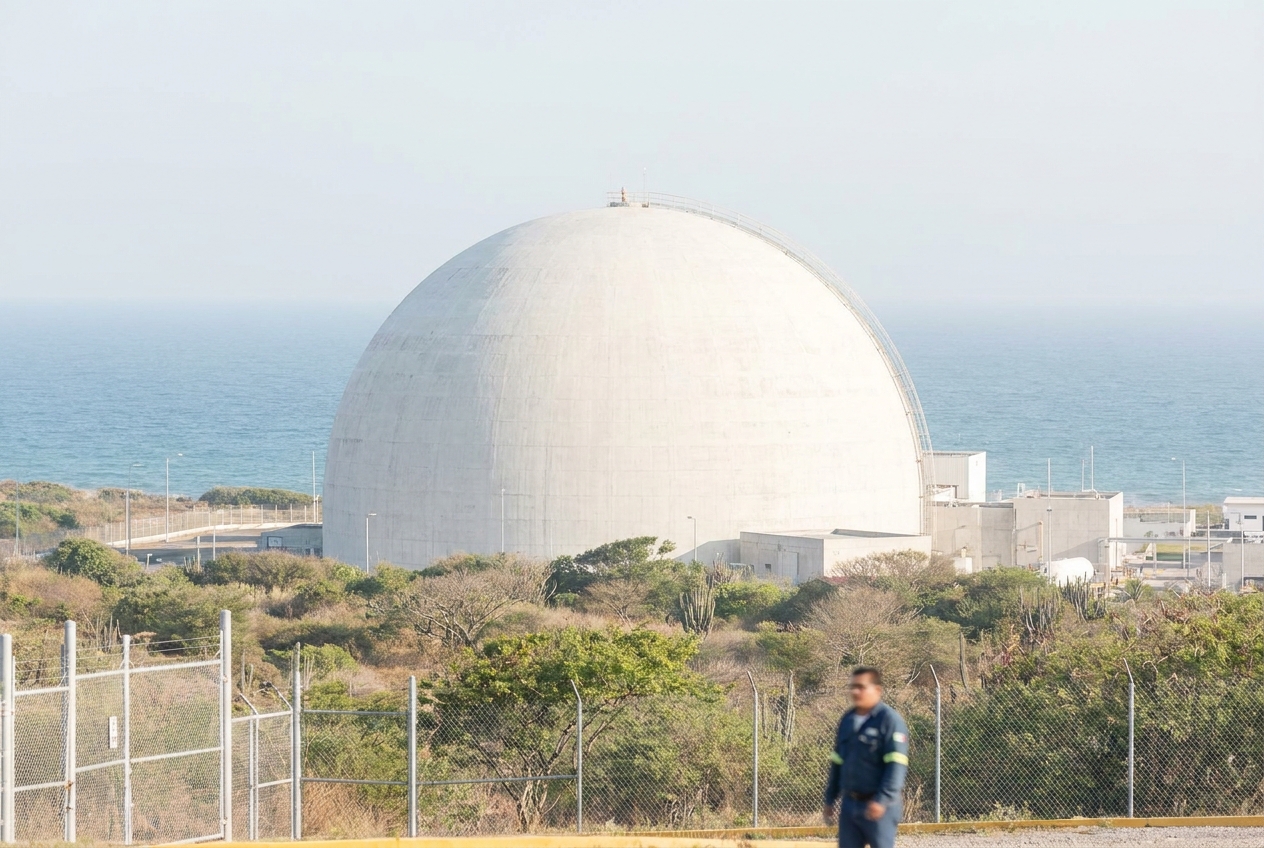
In Mexico, the Laguna Verde Nuclear Power Plant in Veracruz already contributes to the national electricity supply, generating over 3% of the country's electricity with just 1.8% of installed capacity. Expanding this share is strategic for consolidating energy sovereignty and security, reducing dependence on hydrocarbons, and mitigating the effects of climate change.
Beyond electricity generation, nuclear energy has applications in heating, clean hydrogen production, desalination, and industrial heat supply. These capabilities make it a versatile tool for addressing a range of energy and environmental challenges.
Advancing Mexico's nuclear sector requires a comprehensive plan covering investment in research and development, scientific talent formation, and updating regulatory frameworks to accommodate new technologies. The National Institute for Nuclear Research (ININ) plays a crucial role in this effort, promoting innovation and participation in projects such as SMRs.
Improving public perception and social acceptance is equally essential. Nuclear energy is, by a wide margin, one of the safest and most reliable sources available when managed to appropriate standards.
As the world seeks solutions to meet international climate commitments, Mexico must consider all options on the table. Fully harnessing nuclear energy will allow the country to advance toward a more sustainable and secure energy future for coming generations.
Frequently Asked Questions
How much of Mexico's electricity currently comes from nuclear power?
The Laguna Verde Nuclear Power Plant in Veracruz generates over 3% of Mexico's electricity while using just 1.8% of the country's total installed capacity, making it a highly efficient contributor to the national grid.
What are Small Modular Reactors and why do they matter for Mexico?
Small Modular Reactors (SMRs) are advanced nuclear units with capacities of up to 300 MWe. They offer greater deployment flexibility, improved safety profiles, and stronger economic efficiency compared to conventional large-scale reactors, making them an attractive option for expanding Mexico's nuclear footprint.
Which countries are competing to develop nuclear projects in Mexico?
Western nations including France, Germany, and the United States represent viable partnership options. China also competes through continuous technological development and preferential financing arrangements, adding geopolitical complexity to Mexico's partner selection.